
Celebrating Gudi Padwa: Traditions, Food, and Best Places to Visit
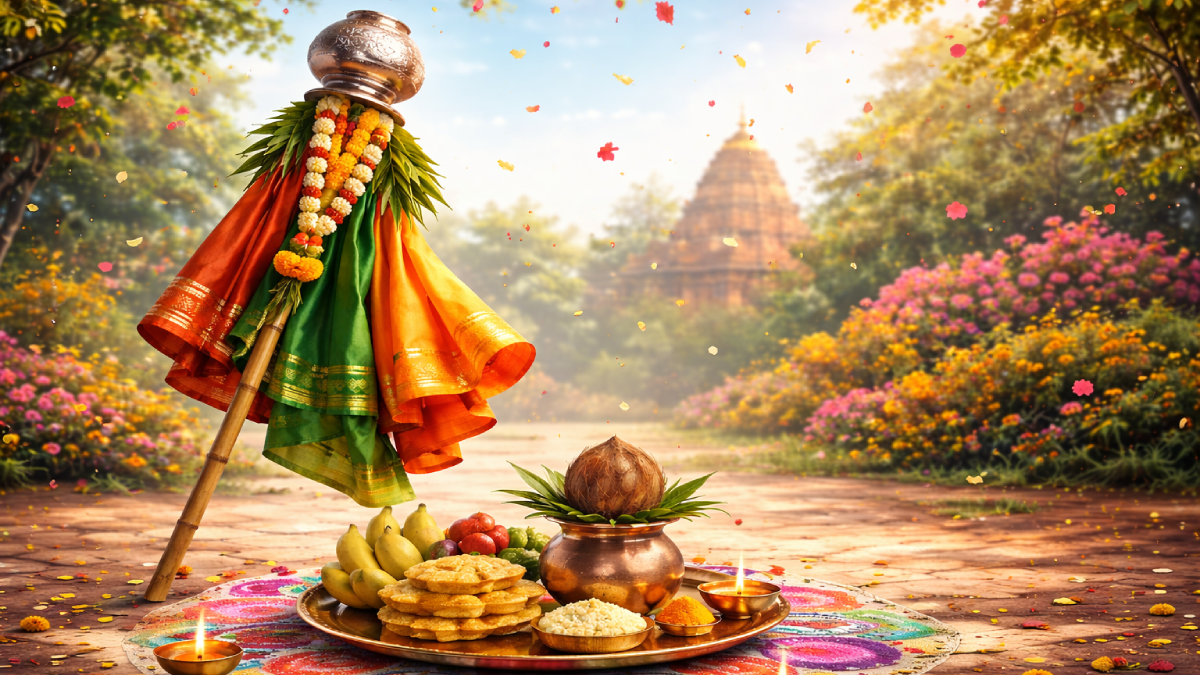
Gudi Padwa marks the vibrant start of the Marathi New Year, brimming with rich traditions, mouth-watering delicacies, and stunning destinations to explore.
Historical Significance of Gudi Padwa
Gudi Padwa, celebrated predominantly in the Indian state of Maharashtra, marks the beginning of the Hindu lunisolar calendar's new year. The term "Gudi Padwa" derives from two words: "Gudi," meaning a flag or emblem of victory, and "Padwa," which refers to the first day of the lunar fortnight. This festival signifies the victory of good over evil and is celebrated with immense fervor and enthusiasm. According to Hindu mythology, Gudi Padwa commemorates Lord Rama's victory over the demon king Ravana and his subsequent return to Ayodhya after 14 years of exile. This day is also believed to mark the coronation of Lord Rama.
The historical significance of Gudi Padwa extends beyond mythology. It is also associated with the legendary Maratha ruler, Chhatrapati Shivaji Maharaj, who is said to have initiated the practice of raising the Gudi as a symbol of victory. The Gudi, which is a decorated pole with a bright cloth and a garland, represents triumph and prosperity. The festival's historical roots also connect to the agrarian traditions of India, as it coincides with the onset of the spring season and the harvesting of Rabi crops. Thus, Gudi Padwa is a celebration of new beginnings, agricultural prosperity, and the triumph of righteousness.
Moreover, Gudi Padwa's historical importance is reflected in the various ancient texts and scriptures that mention this auspicious day. The Brahma Purana, an ancient Hindu scripture, states that Lord Brahma created the universe on this day, making it a significant occasion for new beginnings and endeavors. Over the centuries, Gudi Padwa has evolved into a festival that not only honors historical and mythological events but also celebrates the cultural and social heritage of Maharashtra and other regions where it is observed.
Pratipada Tithi Date and Time
Pratipada Tithi Starts 19th March 2026 - 06:52 AM
Pratipada Tithi Ends 20th March 2026 - 04:52 AM.png)
Gudi Padwa Decorations and Celebrations
Decorations are an essential part of the celebrations during Gudi Padwa. The homes are decorated with various decorations that are colorful and vibrant. The decorations reflect the true spirit of the festival. The first decoration is the toran. The toran is a garland made from fresh mango leaves and marigold flowers. The toran is hung on the entrance of the homes. The toran is a symbol of prosperity. The fresh mango leaves and flowers bring positive energy to the homes. The evil spirits are also kept at bay with the presence of the toran.
The Gudi is an important symbol of the festival. The Gudi is decorated with various items that hold significant meaning. The silk cloth is a symbol of the joyful spirit of the festival. The silk cloth is usually yellow, orange, or green in color. The neem leaves hold significant value as they are a symbol of good health. The evil spirits are also kept at bay with the presence of the neem leaves. The garland of flowers is a symbol of purity and beauty. The kalash or the inverted pot is a symbol of prosperity.
In addition to the Gudi and the toran, the homes are decorated with various items that hold significant cultural value. The brass lamps known as samai are lit to symbolize the presence of light and knowledge. The lamps are usually placed in front of the Gudi or the prayer area. The kolam or the rangoli is another decoration that is an essential part of the festival. The kolam is a design drawn on the floor with the help of colored powders. The design is usually colorful and holds significant cultural value. The design is a symbol of good luck. The design is usually drawn on the floor to attract positive energy.
Popular Foods and Recipes for Gudi Padwa
Gudi Padwa is a celebration that delights all our senses, especially through its popular culinary traditions. The festivities are not complete without a variety of traditional Marathi dishes arranged in an artistic and affectionate manner. The highlight of this culinary delight is the traditional Marathi dish called ‘Puran Poli,’ a type of sweet flatbread that is filled with a mixture of jaggery and chana dal. This is mostly accompanied by a layer of ghee on top, making it a favorite among kids and adults alike.
The other popular dish is ‘Shrikhand,’ a type of creamy dessert that is prepared by boiling yogurt until it is strained into a smooth paste. This is then mixed with cardamom powder and saffron, along with nuts sprinkled on top. This is mostly enjoyed along with ‘Puris’ and is a delightful combination of taste and texture. Apart from its taste, this dish also has cultural significance, as it is a symbol of happiness for others who partake of this dish.
The other popular dish is ‘Aamras,’ a type of mango pulp that is enjoyed during Gudi Padwa. This is mostly enjoyed during this time of the year when mangoes are in season, making this a seasonal delight that is enjoyed during Gudi Padwa. The sweetness of this mango pulp is a delight during this time of the year, making this a popular dish during Gudi Padwa.
The other popular dishes that are enjoyed during Gudi Padwa are ‘Batata Bhaji’ and ‘Masale Bhaat,’ which add a savory taste to this culinary delight.
Cultural significance of Gudi Padwa in other regions
Though this is mostly observed in Maharashtra, its significance is also observed in other parts of India under different names and traditions. In Karnataka, this is referred to as ‘Ugadi’ and is celebrated as the Hindu lunisolar New Year. This is also observed in a similar way, where house cleaning is done, along with rangoli decorations, and traditional dishes are prepared on this occasion. The highlight of this occasion is ‘Ugadi Pachadi,’ a mixture of neem flowers, jaggery, tamarind, and raw mango, symbolizing life in its various flavors.
In Andhra Pradesh and Telangana, the festival is also called Ugadi and is celebrated with great enthusiasm. The day begins with ritualistic prayers and the preparation of Ugadi Pachadi, which holds symbolic significance. The mixture of different tastes in Ugadi Pachadi represents the various experiences of life, including joy, sorrow, anger, fear, disgust, and surprise. This unique dish serves as a reminder of the balance and harmony that one must strive for in life. The festivities also include cultural performances, traditional music, and dance, showcasing the rich cultural heritage of the region.
In the northern parts of India, particularly in Punjab, the festival is celebrated as Baisakhi, which marks the harvest season and the Punjabi New Year. Baisakhi is a time for joyous celebrations, characterized by traditional Bhangra and Giddha dances, which are performed to the beats of the dhol (drum). In Assam, the festival is known as Rongali Bihu, which also signifies the arrival of the Assamese New Year and the onset of the harvest season. Rongali Bihu is celebrated with traditional music, dance, and feasting, reflecting the cultural diversity and vibrancy of the region.
Best Places too celebrate Gudi Padwa Festivities
If you are eager to experience the excitement of Gudi Padwa festivities, Maharashtra is the best destination for you. The capital of Maharashtra, Mumbai, is one of the best places to experience Gudi Padwa. The festivities are grand and spectacular here. The Girgaon and Shivaji Park areas are particularly lively with their vibrant colors, processions, and cultural events. During Gudi Padwa, you can see women dressed in Nauvari Sarees riding on bikes with dhol drums accompanying them. You can also visit cultural events organized by local people where you can indulge in various activities while enjoying traditional food and shopping for local handicrafts. The Siddhivinayak Temple and Mumbadevi Temple are also famous for their grand Gudi Padwa Celebrations.
The second-best destination for Gudi Padwa Celebrations is Pune. The Gudi Padwa Celebrations are grand with a lot of cultural activities. The historical significance of Pune is reflected in the Shaniwar Wada Celebrations. The streets are decorated with rangolis and Gudis, giving a warm welcome to visitors. The Dagdusheth Halwai Ganpati Temple is another famous temple for Gudi Padwa Celebrations.
If you are looking for a rural experience for Gudi Padwa Celebrations, the Konkan region is the best destination for you. The coastal villages are picturesque with their traditional Gudi Padwa Celebrations. The people of the region have preserved their traditions while celebrating Gudi Padwa. The rural experience is a great way to experience the real essence of Gudi Padwa Celebrations. You can visit such places and plan your travel easily with Yatri app.
.png)
Conclusion: Embracing the Spirit of Gudi Padwa
Gudi Padwa is more than just a festival; it is a celebration of new beginnings, cultural heritage, and the triumph of good over evil. The rich traditions, vibrant decorations, and delectable foods associated with this festival create an atmosphere of joy and togetherness. Whether you are in the bustling city of Mumbai, the culturally rich Pune, or the serene Konkan region, the spirit of Gudi Padwa can be felt in every corner of Maharashtra and beyond. By embracing the customs, participating in the rituals, and savoring the festive delicacies, you can truly experience the essence of this auspicious occasion.
As you celebrate Gudi Padwa, take a moment to reflect on the historical and cultural significance of the festival. Appreciate the values of victory, prosperity, and new beginnings that it represents. This festival is a reminder to welcome positivity into our lives, cherish the bonds we share with our loved ones, and strive for balance and harmony. By understanding and honoring the traditions of Gudi Padwa, we can keep the cultural heritage alive and pass it on to future generations. So, let us come together to celebrate Gudi Padwa with joy, gratitude, and a renewed sense of hope for the year ahead.
FAQs
Q1: What is Gudi Padwa and why is it celebrated?
Gudi Padwa is the Marathi New Year, celebrated on the first day of the Hindu month of Chaitra. It marks Lord Rama's victory over Ravana, the spring harvest, and the start of new beginnings.
Q2: When is Gudi Padwa 2026?
Gudi Padwa 2026 will fall on March 19th, 2026, with the Pratipada Tithi beginning at 6:52 AM.
Q3: What is the significance of the Gudi?
The Gudi is a decorated with a bamboo pole hoisted outside homes to symbolise victory, prosperity, and protection from evil. It is adorned with silk cloth, neem leaves, flowers, and an inverted pot.
Q4: What foods are eaten on Gudi Padwa?
Traditional Gudi Padwa foods include foods like Puran Poli, Shrikhand, Aamras, Batata Bhaji, and Neem-Jaggery Prasad, which is a mix of sweet and savoury dishes marking the festive occasion.
Q5: How is Gudi Padwa celebrated at home?
Homes are cleaned, rangoli’s are drawn at the doorstep, a toran is hung at the entrance, the Gudi is hoisted, aarti is performed, and families share a traditional festive meal together.
Q6: What is the difference between Gudi Padwa and Ugadi?
Both festivals mark the Hindu New Year on the same day. Gudi Padwa is celebrated in Maharashtra, while Ugadi is observed in Karnataka, Andhra Pradesh, and Telangana each with their own regional rituals.
Q7: Where are the best places to celebrate Gudi Padwa?
The best places to celebrate festivities during Gudi Padwa are Girgaon, Dadar’s Shivaji Park, Thane or Kothrud in Pune.
Dated March 13, 2026