
Things to Do in Mumbai Under ₹500 – Food, Places & Transport Hacks
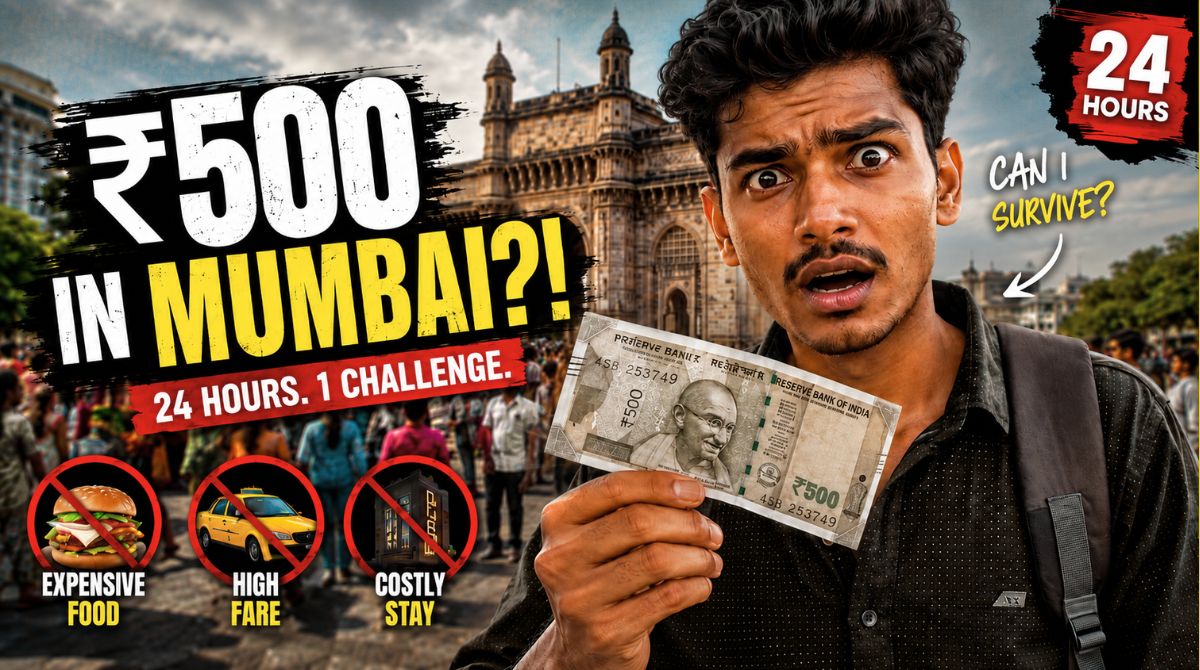
From packed local trains and ₹15 vada pavs to Marine Drive sunsets and hidden travel hacks this is how Mumbaikars survive, travel, and eat across the city on just ₹500 a day.
Mumbai has a reputation for being expensive, fast, and impossible to survive without a fat wallet. But ask any regular commuter, college student, or struggling intern, and they’ll tell you the same thing Mumbai somehow teaches you how to survive.
This city can drain ₹5,000 in a single night or help you travel across town, eat good food, watch the sunset at Marine Drive, and still return home with change in your pocket. The secret? Understanding Mumbai locals, cheap food spots, and knowing how to move like a true Mumbaikar.
If you’ve ever wondered whether ₹500 is enough to survive a full day in Mumbai, the answer is yes. Not luxuriously, not comfortably, but smartly. And honestly, that’s the real Mumbai experience.
Fun fact: Mumbai local trains carry more than 7 million passengers every single day, which is more than the population of many countries. That’s exactly why locals are called the “lifeline of Mumbai.”
Here’s How to Travel in Mumbai under ₹500, including food, transport, famous places, and survival tips every commuter should know.
Before You Start Your Mumbai Budget Journey Make Sure To:
Before stepping into Mumbai local life, there are a few things that can save both your money and your sanity. Mumbai moves fast, and if you don’t plan smartly, even ₹500 can disappear quicker than expected. The good thing is that regular commuters have already figured out small tricks that make surviving the city much easier.
1. Avoid Peak Hours if Possible:
Mumbai locals during office rush hours are not for beginners. Between 8–11 AM and 6–9 PM, trains become survival zones. If you’re travelling casually or exploring the city, try leaving early in the morning or after rush hour. You’ll not only save energy but also travel more comfortably and avoid unnecessary auto or cab expenses caused by crowd frustration.
2. Carry a Water Bottle and Small Snacks:
Buying water bottles, chips, or snacks repeatedly throughout the day slowly destroys your budget without you realizing it. A single bottle from home and a small snack packet can easily save ₹50–₹100 by the end of the day. In Mumbai’s heat and humidity, staying hydrated is important, especially while travelling long distances through stations and crowded roads.
3. Keep UPI Ready:
Mumbai runs fast, and digital payments make life easier. Most food stalls, chai vendors, and even small shops now accept UPI payments like Google Pay, PhonePe, and Paytm. Carrying exact change still helps during train ticket purchases or buses, but UPI saves time during rush situations where every second matters.
4. Don’t Ignore BEST Buses:
Most tourists only focus on local trains, but experienced Mumbaikars know that BEST buses are underrated. Sometimes buses are cheaper, less stressful, and even more scenic. If you grab a window seat on routes near Marine Drive, Bandra, or South Mumbai, you’ll get some of the best city views for almost nothing.
5. Street Food Timing Matters:
Fresh morning vada pav near stations tastes completely different from cold evening leftovers. Pav bhaji stalls become more active after sunset, while cutting chai somehow feels more satisfying during rainy evenings. Mumbai’s street food culture has timing, and locals know exactly when and where to go for the best experience under budget.
6. Wear Comfortable Clothes and Shoes:
This sounds basic, but Mumbai involves a lot of walking. Stations are huge, footbridges feel endless, and changing platforms can easily become a mini workout. Comfortable shoes save both your energy and your mood during travel.
7. Keep Emergency Cash Separate:
Even if you use UPI regularly, keeping ₹100–₹200 separately for emergencies helps a lot. Network issues, battery drain, or small vendors not accepting online payments can happen unexpectedly.
8. Travel Smart Instead of Fast:
New visitors often spend unnecessary money on autos and cabs because they panic about getting late. But Mumbai rewards people who understand routes patiently. One correct local train or bus can save you hundreds of rupees in a single day.
Places You Can Explore in Mumbai Without Spending Much:
One of the best things about Mumbai is that many iconic places are completely free to visit.
1. Marine Drive:
Nothing feels more “Mumbai” than sitting at Marine Drive with sea breeze hitting your face after a long day.
You don’t need expensive cafés here. Most people simply sit on the promenade, talk with friends, eat peanuts, K. Rustom & Co. Ice Cream Parlour and watch the skyline slowly light up.
Travel Cost:
• Local train to Churchgate - ₹20
• Walking distance from station
• Total budget-friendly outing - ₹40-₹50
Best time:
• Sunset to late evening
2. Gateway of India:
The Gateway of India is one of the most famous tourist spots in Mumbai, and surprisingly, visiting it costs nothing.
You can walk around Colaba, click photos, watch ferries, and enjoy the old Mumbai atmosphere without spending much.
Nearby budget foods:
• Sandwich stalls
• Cutting chai
• Street frankies
3. Juhu Beach:
Juhu Beach or Juhu Chowpatty is proof that Mumbai snacks deserve their own fanbase.
From pav bhaji and pani puri to gola and Chinese bhel, the food options here are endless. Even with ₹100–₹150, you can enjoy a proper evening snack session.
Pro tip:
Avoid overpriced stalls directly near tourist-heavy corners. One could also visit Juhu Iskon Temple.
4. Bandra Bandstand:
If Marine Drive feels classic Mumbai, Bandra Bandstand feels modern Mumbai.
People come here for:
• Sea views
• Street photography
• Celebrity house spotting
• Evening walks
And the best part? Completely free.
.png)
Eating in Mumbai on a Budget:
Mumbai survives on quick food. Office workers, students, train commuters — everyone depends on affordable meals.
The good news is that street food in Mumbai is both cheap and genuinely satisfying.
1. Vada Pav; Mumbai’s Emotional Support Food:
No matter how broke you are in Mumbai, ₹15–₹20 can still buy happiness in the form of a hot vada pav.
You’ll find it outside stations, colleges, offices, and random street corners. Some people literally survive entire workdays powered by chai and vada pav.
Best areas:
• Dadar Station
• CST
• Andheri
• Thane
2. Cutting Chai:
Mumbai’s cutting chai culture deserves global respect. A small glass of strong tea costs around ₹10–₹15 and somehow fixes exhaustion instantly. Local chai stalls are where office gossip, cricket discussions, and life advice happen daily.
3. Misal Pav:
If you want something filling under budget, misal pav is unbeatable. Spicy, messy, and ridiculously satisfying, it’s one of the best budget meals in Mumbai.
Average cost:
₹50–₹80
4. Pav Bhaji:
Pav bhaji becomes a complete dinner option when you’re travelling cheaply. Many local stalls offer butter-loaded pav bhaji plates around ₹100–₹120.
Average cost:
₹80-₹120
Tips for Saving More Money Using the Yatri App for Commute:
If you regularly travel through Mumbai locals or surf through Mumbai local station map, the Yatri app can quietly become one of the best money-saving tools on your phone. Most people think it’s just a train timing app, but regular commuters know it helps avoid unnecessary expenses, confusion, and wasted time every single day.
Here’s how the Yatri app can actually help you save more money while travelling in Mumbai:
1. Avoid Expensive Last-Minute Autos and Cabs:
One delayed train or missed platform can push people into booking expensive autos or cabs out of frustration. Yatri helps you track train timings properly so you can plan smarter instead of spending ₹200–₹300 suddenly on rides.
For budget travellers, this alone makes a huge difference.
2. Find Faster Routes Across Mumbai:
Sometimes changing one station earlier or taking a different line can save both time and money. The app helps identify:
• Faster train options
• Better interchange stations
• Alternate routes during delays
This becomes extremely useful when travelling long distances daily.
3. Track Fast and Slow Trains Easily:
Many beginners accidentally board fast trains and end up missing stations completely. That mistake often leads to extra travel costs and wasted time. Helps provides live trains status.
Yatri clearly marks:
• Fast trains
• Slow trains
• Starting and ending stations
• Platform details
This makes travelling much smoother, especially for new commuters.
4. Reduce Waiting Time at Stations:
Standing at stations for 20–30 minutes may not sound expensive, but eventually people spend money on unnecessary snacks, chai, or quick transport alternatives while waiting.
Live train updates help you arrive closer to actual train timings instead of wasting both time and money.
5. Useful During Monsoon Season:
Mumbai monsoons are unpredictable. Trains get delayed, platforms become crowded, and routes suddenly change. Without updates, many people panic and overspend on cabs during heavy rains.
The Yatri app helps commuters:
• Check live delays
• Track train movement
• Find alternate routes
• Avoid unnecessary travel stress
And in Mumbai, avoiding stress honestly feels priceless sometimes.
6. Helps Daily Commuters Plan Monthly Travel Better:
If you travel regularly for college, office, or freelancing work, understanding your daily routes helps you decide whether:
• A monthly pass is better
• Metro saves more time
• BEST buses are cheaper for certain routes
Small daily savings eventually become thousands saved over time.
7. Less Confusion, Less Panic Spending:
Mumbai stations can overwhelm first-time travellers quickly. Missing one train often creates panic, and panic usually leads to spending money carelessly.
The Yatri app gives commuters confidence because they already know:
• Where to stand
• Which platform to use
• Which train is arriving next
• How much time they actually have
That level of clarity matters a lot in a city that never slows down.
.png)
The Strange Beauty of Mumbai:
Mumbai is exhausting.
The traffic is loud. The stations are crowded. The humidity tests your patience daily.
But somehow, this city keeps moving.
A person earning ₹15,000 and another earning ₹1.5 lakh often stand on the same platform waiting for the same train. That’s Mumbai in one sentence.
And maybe that’s why surviving Mumbai under ₹500 doesn’t feel impossible. The city has quietly built systems for ordinary people:
• Cheap trains
• Affordable food
• Shared spaces
• Endless movement
You learn to adjust.
You learn to calculate.
You learn to move fast.
And eventually, you become part of the city itself.
Can You Really Survive Mumbai Under ₹500?
Here’s a realistic breakdown of a one-day Mumbai travel budget:
Total: Around ₹500
The biggest advantage of Mumbai is connectivity. Once you understand the train routes and cheap food spots, the city becomes surprisingly affordable.
|
Expense Category |
Daily Cost & Details |
|
Local Train Commute – Mumbai Suburban Railway (II Class) |
₹40 |
|
Budget Breakfast – Mumbai Street Food |
₹40 |
|
Lunch – Mid-Day Meal Budget Mumbai |
₹120 |
|
Evening Snacks & Chai – Mumbai Tapri Culture |
₹50 |
|
Last-Mile Connectivity – Mumbai Public Transport |
₹80 |
|
Dinner – Affordable Evening Meals Mumbai |
₹120 |
|
Emergency Buffer – Contingency Spend |
₹40 |
Final Thoughts:
So, can ₹500 really take you across Mumbai?
Absolutely. It can get you local train rides, filling street food, evening chai, sea views, crowded platforms, and stories you’ll probably laugh about later.
Mumbai doesn’t always offer comfort, but it offers movement. And for millions of people every day, that’s enough.
The city teaches survival differently. Not through luxury, but through resilience, shortcuts, timing, and adaptability.
Because in Mumbai, survival isn’t about how much money you have.
It’s about how quickly you learn the rhythm of the city.
Dated May 27, 2026