
Makar Sankranti 2026: Is It on 14th or 15th January? Here’s the Clear Answer
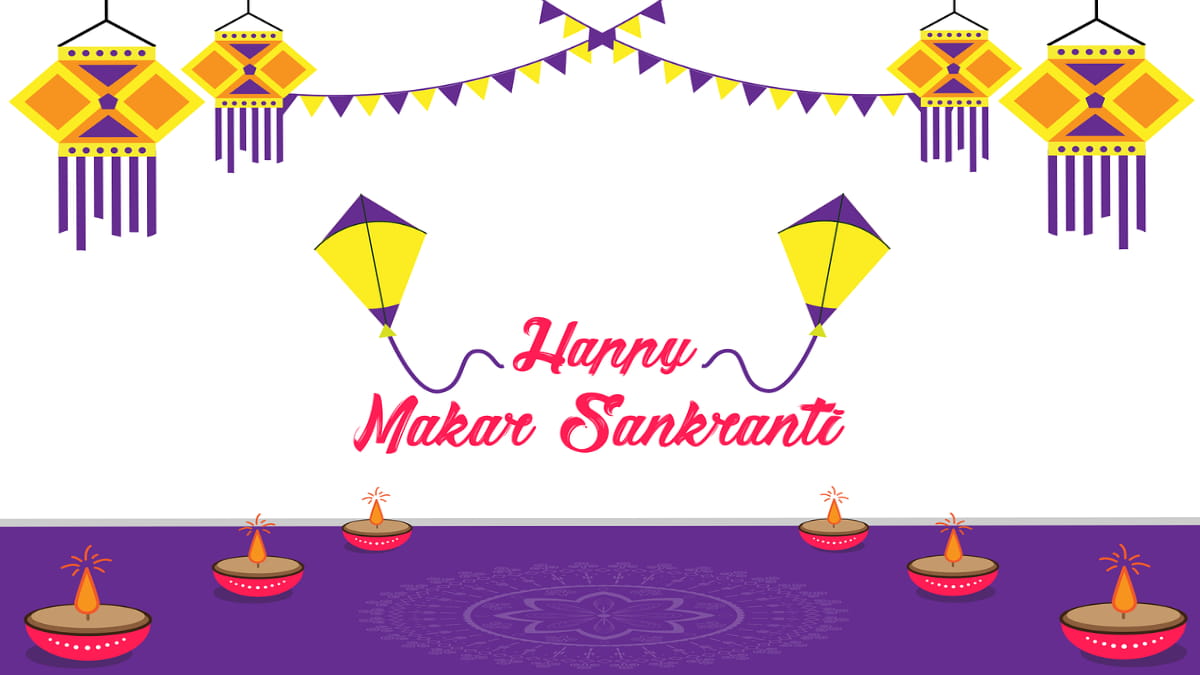
As January approaches every year, one question consistently surfaces across households, calendars, and online searches:
“Is Makar Sankranti on 14th January or 15th January?”
For 2026, this question has once again created confusion, with different dates circulating across calendars, news articles, and social media. However, once we understand how Makar Sankranti is calculated and what exactly the festival represents, the answer becomes clear.
Let’s walk through the explanation step by step—without complex astrology—so you can confidently know when Makar Sankranti falls in 2026 and why.
What Is Makar Sankranti and Why Is It Unique?
Makar Sankranti is among the oldest festivals in India and holds a special place in Hindu tradition. What makes it different from most other Indian festivals is how its date is determined.
While many festivals follow the lunar calendar, Makar Sankranti is based on the solar calendar. It marks the moment when the Sun enters the zodiac sign Capricorn, known as Makara in Sanskrit.
This solar transition is a fixed astronomical event, not dependent on lunar phases. Because of this, Makar Sankranti usually falls around mid-January every year, unlike other festivals whose dates change significantly.
The Spiritual Meaning Behind Makar Sankranti
Makar Sankranti marks the beginning of Uttarayan—the Sun’s northward movement after months of travelling southward (Dakshinayan).
In Hindu belief, Uttarayan is considered an auspicious phase, associated with:
- Growth and positivity
- Renewal of energy
- Gradual end of winter
- Longer daylight hours
The festival symbolises light over darkness, warmth over cold, and hope over stagnation. This is why it is regarded as a spiritually significant turning point in the year.
.png)
The Big Question: When Is Makar Sankranti in 2026?
✅ Makar Sankranti in 2026 falls on: 14 January 2026
According to Drik Panchang and other widely followed Hindu calendars, the Sun enters Makara Rashi on 14 January 2026, during the daytime.
Key astronomical details (simplified):
- Sankranti moment (Sun’s entry into Capricorn): 14 January 2026, afternoon
- Since the transition occurs before sunset, the festival is observed on the same calendar day
- Therefore, all major rituals and observances are performed on 14 January 2026
This is why most national and regional calendars officially mark 14 January as Makar Sankranti in 2026.
Why Do Some People Still Mention 15th January?
The confusion between 14th and 15th January arises due to ritual interpretation, not because the date itself is unclear.
Here’s why this happens:
1. Timing of the Sankranti Moment
In some years, the Sun enters Makara very late in the day, close to sunset or after sunset. In such cases, certain traditions shift rituals to the next day, making it 15th January.
2. Local Panchang Calculations
Some traditional calendars factor in:
- Local sunrise or sunset timings
- Auspicious periods (Punya Kaal)
- Regional customs
This can cause secondary observances or related ceremonies to fall on the next day.
3. Ritual Flexibility
Indian festivals allow flexibility based on customs, temple traditions, and family practices. This cultural openness sometimes results in different dates being mentioned.
However, in 2026, since the Sun’s transition happens well within daytime on 14 January, there is no strong reason to shift the main observance to the 15th.
Understanding Punya Kaal in Simple Terms
The Punya Kaal refers to the auspicious time window after the Sankranti moment, during which rituals are traditionally performed.
If the Sankranti moment happens:
- During daytime → rituals stay on the same day
- Close to sunset or after sunset → rituals may extend to the next day
In 2026, because the transition occurs in the afternoon, the Punya Kaal remains on 14 January, reinforcing that date as the primary festival day.
What Happens on Makar Sankranti?
Makar Sankranti is deeply connected to nature, seasons, and gratitude. Across India, people observe the day through meaningful practices.
Common Rituals Across India
Holy Bath (Snan)
Early morning bathing in rivers or water bodies is believed to bring purification and spiritual merit.
Sun Worship (Surya Puja)
Devotees offer water (Surya Arghya) to the rising Sun, acknowledging it as the source of life and energy.
Charity (Daan)
Donations of food, clothes, grains, and sesame seeds are considered especially auspicious on this day.
Festive Foods
Traditional dishes made from til (sesame) and jaggery symbolise warmth, sweetness, and unity during winter.
How Makar Sankranti Is Celebrated Across India
Despite being rooted in the same solar event, Makar Sankranti takes on diverse regional forms:
- Maharashtra: Tilgul exchange, black attire, family visits
- Gujarat & Rajasthan: Kite flying festivals and fairs
- Tamil Nadu: Pongal, a multi-day harvest celebration
- Assam: Magh Bihu, marking the harvest season
- West Bengal: Poush Parbon with traditional feasts
- Uttar Pradesh: Khichdi Parv with community offerings
Each region reflects local culture while celebrating the same cosmic transition.
.png)
Why Makar Sankranti Holds Such Importance
Makar Sankranti stands at the intersection of astronomy, agriculture, spirituality, and culture.
It represents:
- Astronomy: A solar shift tied to Earth’s movement
- Agriculture: Gratitude for harvest and seasonal change
- Spirituality: Belief in positive energy during Uttarayan
- Cultural unity: One festival, many traditions
It reminds people of humanity’s deep connection with nature’s cycles.
So, Should You Celebrate on 14th or 15th January?
For 2026, the answer is simple:
- Official and widely accepted date: 14 January 2026
- If your family or temple observes a secondary ritual on 15th: That is also culturally acceptable
There is no contradiction—only different layers of observance.
Final Answer (Clear & Simple)
- Makar Sankranti 2026 date: 14 January 2026
- Reason: Sun enters Makara during daytime on 14 January
- Why 15th is mentioned: Ritual flexibility in some traditions
- National observance: Firmly on 14 January
Final Thoughts
Makar Sankranti is not just about marking a date—it is about recognising change, renewal, and balance in nature and life.
Rather than worrying about the calendar, the festival encourages:
- Positivity
- Gratitude
- Sharing sweetness
- Respect for nature’s rhythm
🌞 May Makar Sankranti 2026 bring warmth, clarity, and happiness to your life. 🌾
Dated January 10, 2026